Restoring your teeth with crowns and bridges
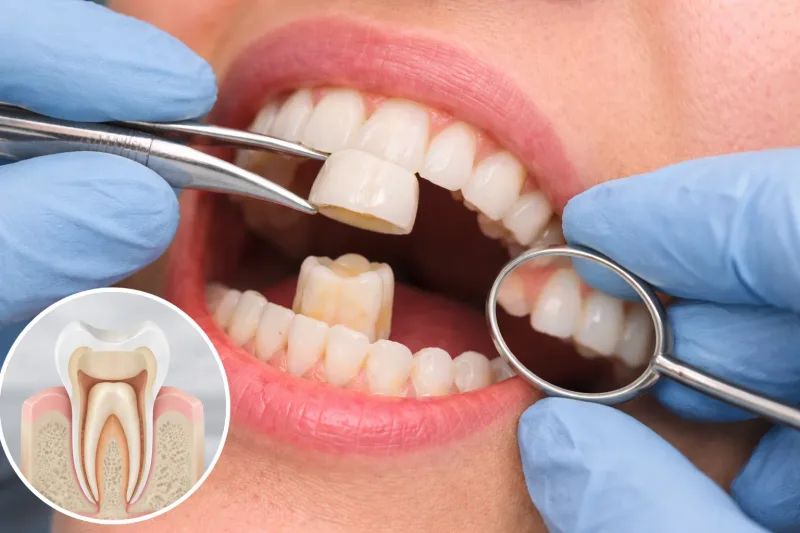
A dental crown is a full ceramic cap that fits over a damaged, cracked, or heavily filled tooth, restoring its original shape, strength, and appearance. It is the most durable way to protect a tooth that has been weakened and cannot support a conventional filling.
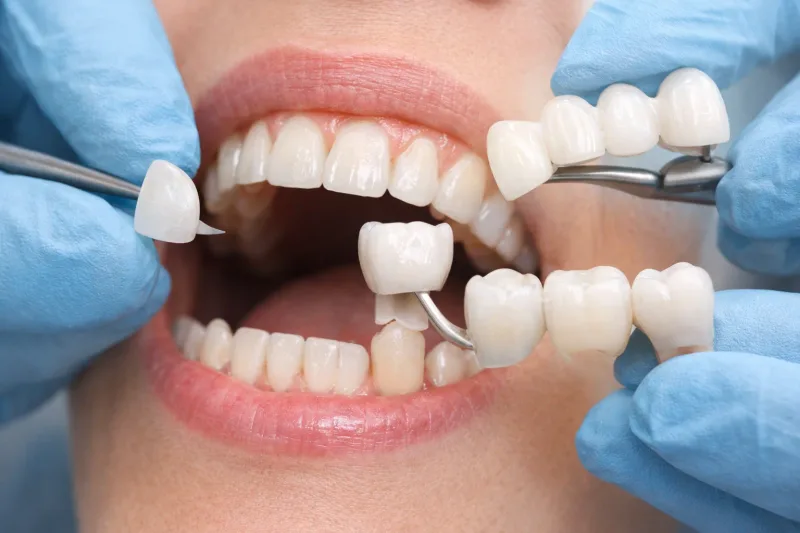
A dental bridge uses two crowns on the teeth either side of a gap (abutment teeth) to support one or more false teeth (pontics) that span the space. It is a fixed, non-removable solution for replacing missing teeth without implant surgery.
At Carewell Dental in Sentul, Kuala Lumpur, we use full ceramic restorations fabricated to a precise shade match. Both treatments are completed in just two appointments, with a temporary in place between visits to keep you comfortable.
How the process works
Assessment & X-Rays
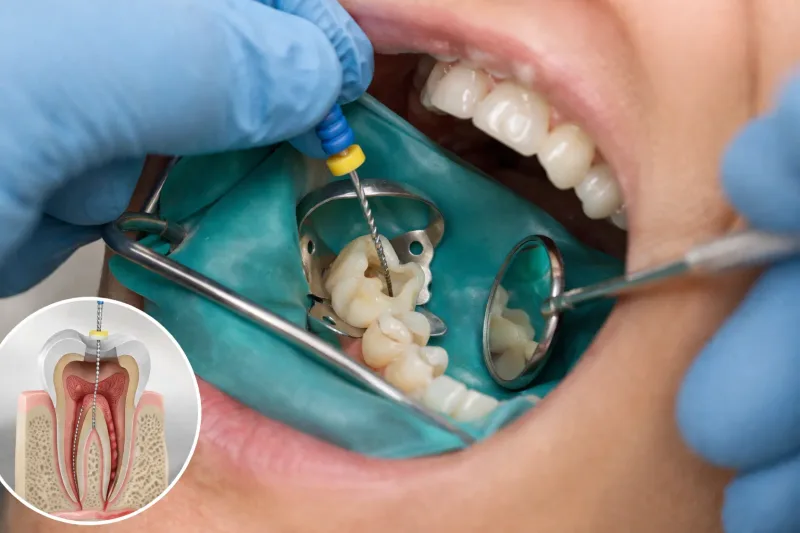
We examine the tooth structure and take X-rays to confirm root health. Any active decay or infection is resolved before crown or bridge preparation begins.
Preparation & Impressions
Under local anaesthesia, the tooth is shaped to receive the crown. Impressions (digital or physical) are sent to the dental lab. A temporary crown or bridge keeps the tooth protected.
Lab Fabrication
Your ceramic crown or bridge is custom-fabricated in the dental laboratory to match the precise shape, bite, and shade of your surrounding teeth. This takes approximately 1–2 weeks.
Final Cementation
The permanent restoration is tried in, checked for fit and bite, and permanently cemented. You leave with a fully restored, natural-looking result the same day.
Benefits of crowns and bridges
Restores Full Function
Crown-protected teeth can withstand normal biting forces, allowing you to eat without pain or concern.
Natural Appearance
Full ceramic has no metal and transmits light like natural enamel. The result blends seamlessly with surrounding teeth.
Protects Weak Teeth
A crown encases the entire visible tooth, preventing cracked or heavily filled teeth from fracturing further.
Fixed & Non-Removable
Unlike dentures, bridges are cemented in place permanently. No adhesives, no nightly removal.
Long-Lasting
Well-maintained ceramic crowns and bridges last 10–15 years or more, making them a reliable investment in your oral health.
Fast Treatment
Just two appointments over 1–2 weeks. No long healing periods or multiple surgeries required.
Crown vs Bridge — understanding the difference
Both use ceramic restorations, but they solve different problems. A crown restores a single damaged tooth; a bridge replaces a missing tooth using the surrounding teeth for support.
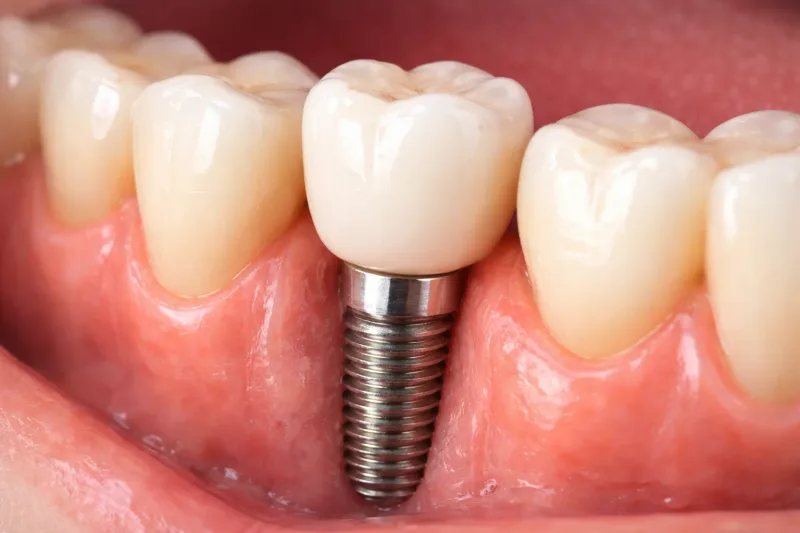
If you have a missing tooth and the neighbouring teeth are healthy and unrestored, an implant may be a better long-term choice. Speak to our team and we will walk through all your options.
Common questions about crowns and bridges
How long do crowns and bridges last? add
With good oral hygiene and regular check-ups, ceramic crowns and bridges typically last 10–15 years. Longevity depends on biting forces, any grinding habits, and how carefully you maintain the gum tissue around the restoration. Bridges in particular require flossing under the pontic (false tooth) to prevent gum problems over time.
How many appointments does it take? add
Both crowns and bridges are completed in 2 appointments. At the first visit the tooth is prepared, impressions are taken, and a temporary is placed. At the second visit (usually 1–2 weeks later) the permanent ceramic restoration is tried in, adjusted for bite, and cemented into place.
Will it look natural? add
Yes. We use full ceramic (all-porcelain) restorations that are custom shade-matched to your surrounding teeth. Unlike older metal-fused-to-porcelain crowns, full ceramic has no dark metal margin at the gumline and transmits light similarly to natural enamel, making the restoration virtually indistinguishable.
Is a crown or bridge better than an implant? add
A dental implant is generally considered the gold standard for replacing a single missing tooth as it preserves jawbone and does not involve adjacent teeth. A bridge is faster and lower-cost but requires preparing the two neighbouring teeth. If those teeth already need crowns, a bridge can be clinically appropriate. Your dentist will discuss all options with you.
Does preparation hurt? add
Tooth preparation is performed under local anaesthesia so you will not feel pain during the visit. Some temperature sensitivity in the prepared tooth is normal for a few days afterwards and usually settles once the permanent crown is cemented. If sensitivity is severe or prolonged, contact the clinic.