What is root canal treatment?
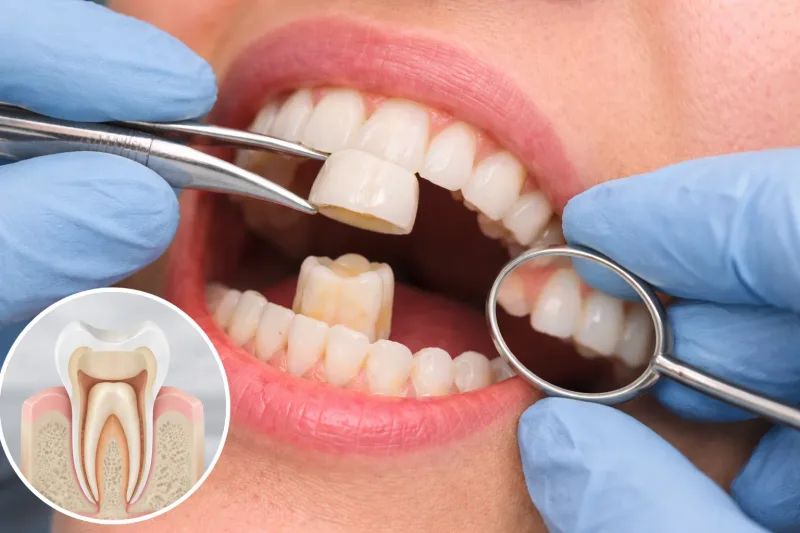
Inside every tooth is a soft tissue called the pulp — a network of nerves, blood vessels, and connective tissue. When bacteria penetrate deeply through decay, a crack, or a chip, the pulp becomes infected or inflamed. Without treatment, the infection spreads into the surrounding bone.
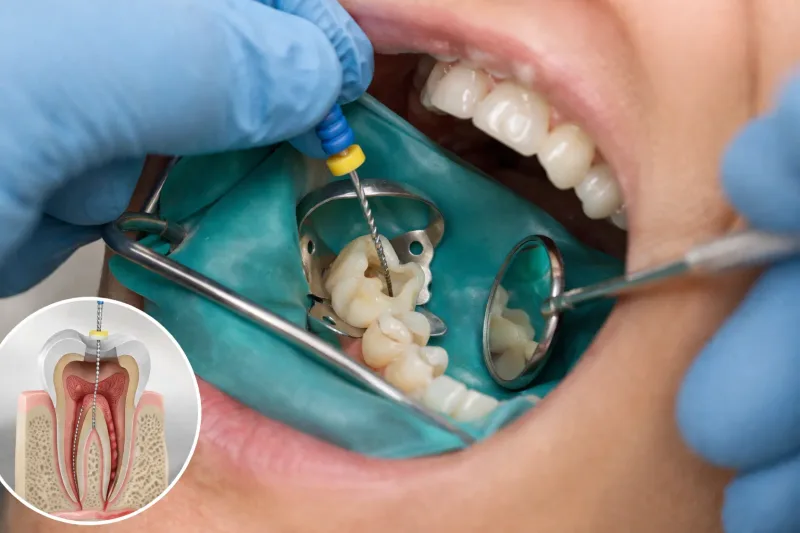
Root canal treatment removes the infected pulp, cleans and shapes the hollow canal space inside the root, then seals it with a rubber-like material called gutta-percha. The tooth is then restored with a crown. You keep your natural tooth, your bite is preserved, and neighbouring teeth are protected from shifting.
Carewell Dental performs root canal treatment at our clinic in Sentul, Jalan Ipoh, Kuala Lumpur, using modern rotary instruments and digital X-rays for precision and comfort.
Signs you may need root canal treatment
Some infected teeth show no symptoms at all and are only discovered on X-ray. This is why regular check-ups matter — catching infection early makes treatment simpler.
Step-by-step: what happens during treatment
Anaesthesia & Access
Local anaesthesia is administered. The dentist creates a small opening through the top of the tooth to access the pulp chamber.
Pulp Removal & Cleaning
Infected pulp is removed using fine rotary instruments. The canals are shaped, measured with digital X-rays, and thoroughly irrigated with antimicrobial solution.
Sealing
The canals are filled with gutta-percha — a biocompatible rubber material — and sealed with dental cement to prevent re-infection.
Crown Placement
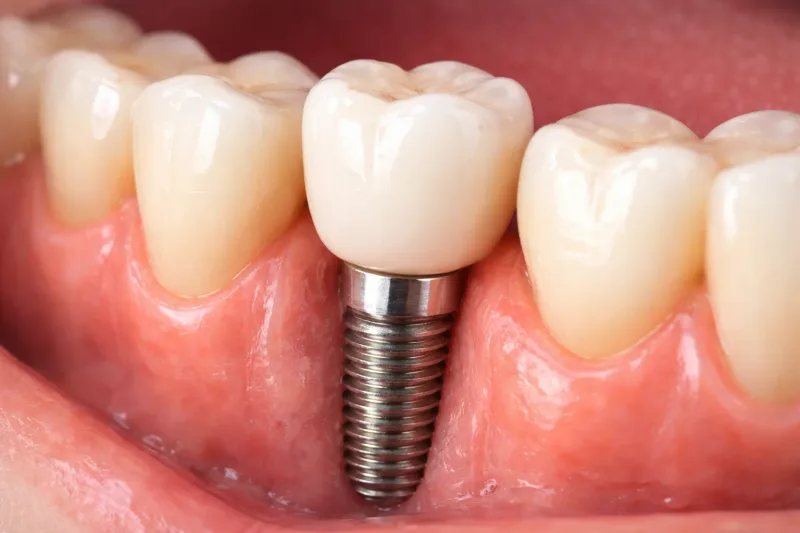
A dental crown is fitted within 2–4 weeks to protect the treated tooth from fracture and restore full biting function.
Root canal treatment fees
Fees vary based on the tooth location (number of canals) and complexity. Many panel insurance plans include endodontic treatment. A written quote is provided after assessment. Carewell Dental accepts AIA, HealthMetrics, PM Care, and other corporate panel schemes.
View Dental Fees arrow_forwardCommon questions about root canal treatment
Is root canal treatment painful? add
Root canal treatment is performed under local anaesthesia, so you should not feel pain during the procedure. The area may be tender for a few days afterwards, managed with standard pain relief. Most patients find the procedure far less uncomfortable than they expected — and significantly less painful than leaving an infected tooth untreated.
How many visits does root canal treatment take? add
Most root canal treatments are completed in 1–2 visits. Simple single-rooted teeth can often be treated in one session. Complex cases or teeth with multiple canals may require a second appointment. A crown fitting is then scheduled 2–4 weeks later.
What happens if I don't get a root canal? add
An untreated infected tooth will not heal on its own. The infection spreads to surrounding bone, neighbouring teeth, and can in severe cases affect other areas. The tooth will eventually require extraction. Root canal treatment saves the tooth and eliminates the infection before it worsens.
Do I need a crown after a root canal? add
In most cases, yes. The treated tooth becomes more brittle after pulp removal. A crown protects it from fracturing under biting forces and significantly extends its lifespan. Front teeth with minor damage may sometimes be restored with a filling instead — your dentist will advise.
Is root canal treatment covered by insurance? add
Coverage varies by policy. Many corporate dental panels include endodontic treatment. Carewell Dental accepts AIA Berhad, HealthMetrics, PM Care, Red Alert, ASP Medical Group, Health Connect, MediLink-Global, and E-MAS. Contact us with your policy details and we will verify your coverage before your appointment.