Treating cavities before they grow
A filling is the most common dental treatment — removing decayed or damaged tooth structure and replacing it with a restorative material to seal and protect the tooth. Treated early, a filling is a quick, affordable procedure. Left untreated, the same cavity can progress to the nerve and require root canal treatment or extraction.
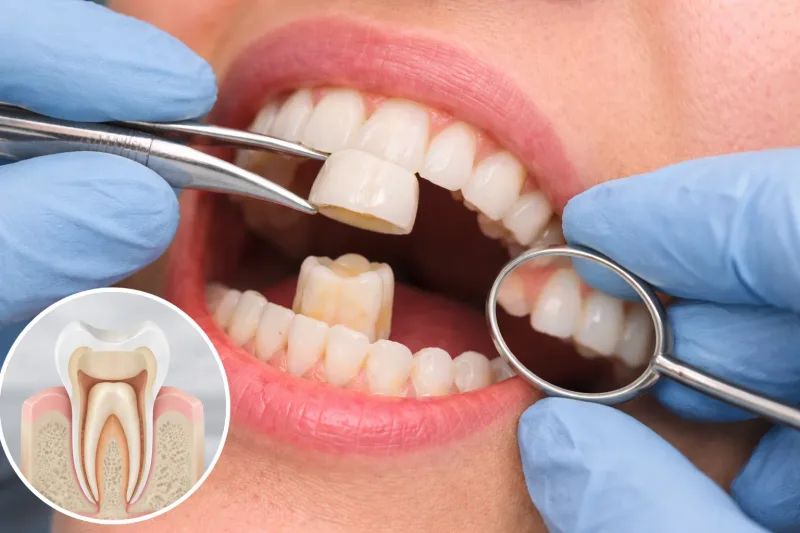
At Carewell Dental in Sentul, KL, we use tooth-coloured composite resin fillings that bond directly to the tooth structure, require less removal of healthy enamel than older materials, and blend invisibly with surrounding teeth. We also treat worn teeth, chipped enamel, and replace old silver amalgam fillings where clinically appropriate.
Walk-ins are welcome for dental pain and cavities. Our panel dental schemes cover fillings — check your entitlement before your visit.
Composite vs other filling options
- check_circleMatches natural tooth colour
- check_circleBonds to tooth — less drilling needed
- check_circleSet immediately with curing light
- check_circleMercury-free
- check_circleReleases fluoride continuously
- check_circleGood for root cavities & children
- check_circleLess durable than composite for large cavities
What happens during a filling
Examination & X-ray
The dentist checks the cavity, assesses how deep it extends using a dental probe and X-ray, and confirms that a filling is the right treatment.
Anaesthesia
Local anaesthetic is applied to numb the tooth and surrounding gum. You will feel pressure but no pain throughout the procedure.
Decay Removal
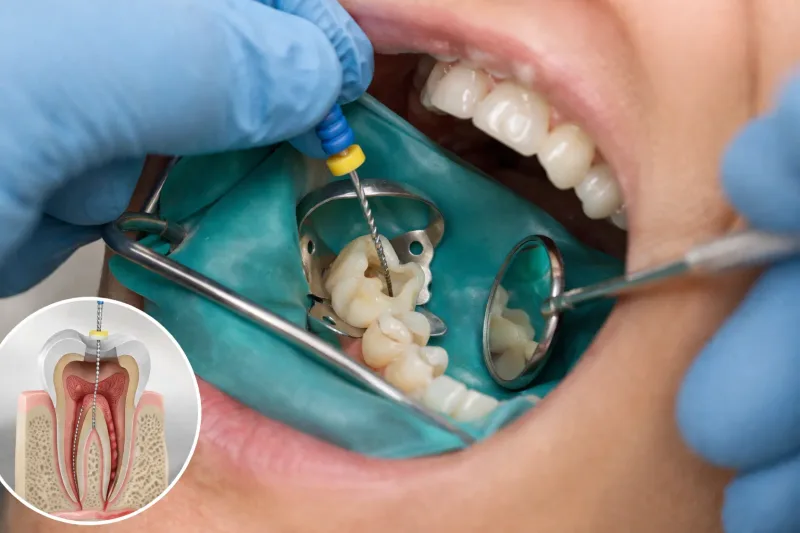
All decayed tooth structure is removed using a dental drill or laser. The cavity is cleaned and shaped to accept the filling material.
Filling & Polish
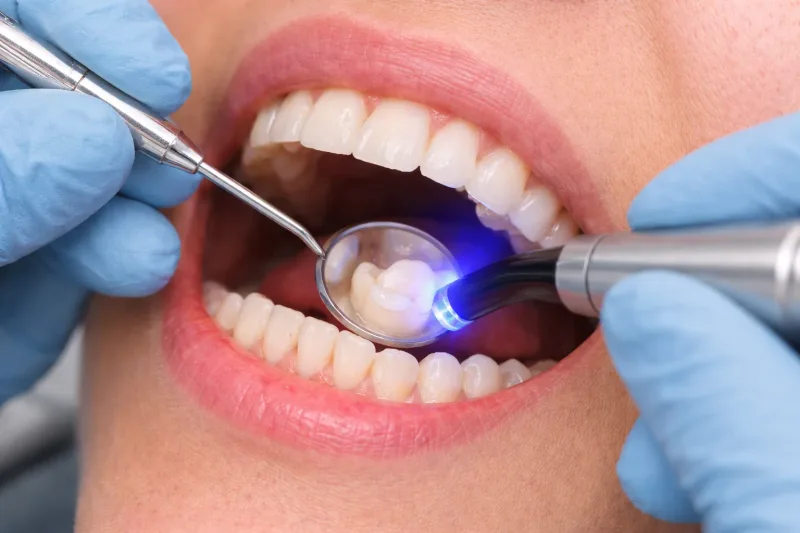
Composite resin is placed in layers and hardened with a curing light. The filling is shaped to your bite, then polished smooth.
Filling fees
Filling costs depend on the size of the cavity and number of tooth surfaces involved. Carewell Dental accepts most corporate dental panel schemes including AIA, HealthMetrics, PM Care, and others. View our fees page for standard pricing.
View Dental Fees arrow_forwardCommon questions about tooth fillings
How long does a tooth filling take? add
A simple filling typically takes 30–60 minutes per tooth, including anaesthesia, decay removal, and placement. Multiple small cavities in the same area of the mouth can often be treated in one visit.
Are composite fillings as strong as silver fillings? add
Modern composite resin fillings are strong and durable for most cavities. They bond directly to tooth structure, require less removal of healthy enamel than amalgam, and match your natural tooth colour. For very large cavities or heavily loaded back teeth, your dentist may recommend a crown or inlay instead.
How long do dental fillings last? add
Composite fillings typically last 7–10 years with good oral hygiene. Larger fillings may need replacement sooner. Your dentist checks filling integrity at every routine check-up and will advise if replacement is needed before failure occurs.
Does getting a filling hurt? add
Local anaesthesia is used before any drilling, so you should feel pressure but no pain during the procedure. Some sensitivity is normal for a few days after the anaesthesia wears off, especially to cold. This settles on its own in most cases.
What happens if I don't treat a cavity? add
Untreated decay grows deeper over time, eventually reaching the nerve and requiring root canal treatment or extraction. Small cavities are quick and affordable to fill — waiting makes treatment more complex and expensive. Regular check-ups catch cavities at the earliest, most treatable stage.